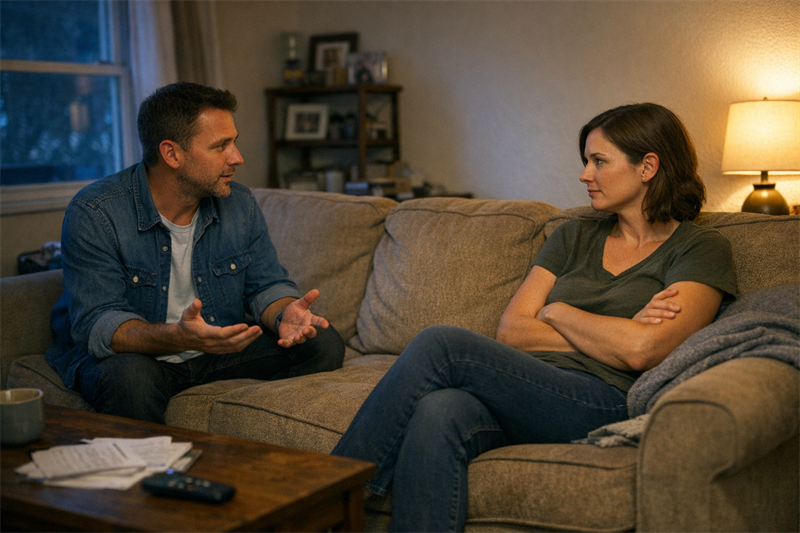
Quick Answer: When a partner refuses couples therapy, the issue is often not simple stubbornness. Resistance is usually driven by fear, misunderstanding, or avoidance. Pushing harder tends to increase that resistance, so a better next step is to change how the conversation happens and focus on what you can do on your side of the relationship.
Why Partners Resist Couples Therapy
This is a common relationship challenge. One partner is ready to get help, and the other shuts the idea down. It can feel like they do not care, but that is usually not the full picture.
In many cases, resistance is protective. It helps someone avoid what feels uncomfortable, exposing, or uncertain.
Fear of Blame or Judgment
A common concern is that therapy will become a place where one person is blamed. When someone expects to be criticized or “fixed,” they are more likely to shut down before the process even starts.
Belief That Therapy Won’t Help
Some people assume therapy is just talking without real change. That view often comes from not understanding how structured relationship counseling works. If that is the expectation, resistance can show up before either partner has given the process a fair chance.
Avoidance of Conflict or Vulnerability
If difficult conversations already feel overwhelming, therapy can seem like turning up the intensity. Avoidance may feel easier in the moment, but it often keeps the same issues repeating and can make them harder to change over time.
Past Negative Experiences with Therapy
If therapy felt unbalanced or unhelpful in the past, people often carry that expectation forward. That history can create immediate resistance, even when the current situation is different.
If you are unsure whether your situation has reached the point where outside help makes sense, this guide on signs it may be time to consider couples therapy can help clarify that.
What Not to Do When Your Partner Says No
How you respond to a refusal shapes what happens next. Certain reactions tend to increase resistance rather than reduce it.
- Pushing or giving ultimatums: This often leads to more shutdown. The more pressure someone feels, the more likely they are to pull away.
- Framing therapy as fixing them: This creates defensiveness and shifts the focus away from the relationship itself.
- Bringing it up during conflict: When emotions are already high, the conversation usually turns into another argument instead of a productive discussion.
This is where many couples get stuck. The same conversations repeat, and nothing changes. That cycle is closely related to the patterns described in how to stop having the same argument over and over.
How to Talk to Your Partner About Therapy (That Actually Works)
If pressure is not working, the approach needs to shift. The goal is not to corner your partner into agreeing. The goal is to lower defensiveness so a real conversation can happen.
Lead With Your Experience, Not Accusations
Start with what you are feeling and what you want to improve. This keeps the conversation grounded and reduces the chance of immediate pushback.
Use Specific Examples Instead of General Complaints
General statements like “we always fight” can feel overwhelming and trigger defensiveness. Specific examples make the issue clearer and easier to respond to.
Focus on the Relationship, Not the Person
Shifting from “you are the problem” to “this is what is happening between us” changes the tone of the conversation. It turns the issue into something shared rather than something to defend against.
Timing and Tone Matter
These conversations usually go better when things are calm. Bringing it up in the middle of conflict almost always reinforces resistance.
What to Say: Conversation Examples That Lower Defensiveness
The way something is said often shapes how it is received. Small changes in wording can make a noticeable difference.
Instead of: “You need therapy.”
Try: “I feel like we keep getting stuck in the same patterns, and I want help figuring out how to change that.”
Instead of: “You never listen.”
Try: “I notice we both get frustrated and stop hearing each other. I want us to find a better way through that.”
Instead of: “If you don’t go, nothing will change.”
Try: “I care about this relationship, and I don’t want us to keep going in circles.”
When the tone shifts from blame to shared responsibility, people are often more willing to stay engaged. When it stays critical, the conversation usually shuts down quickly.
If They Still Refuse: What You Can Do Next
If your partner continues to refuse, you are not out of options. This is where many people feel stuck, but there are still practical ways forward.
Start Individual Therapy
This is often overlooked. When one person changes how they respond, the interaction between both partners can begin to shift. Waiting for full agreement can keep things stuck. Taking action on your own side can start changing the dynamic.
Consider Discernment Counseling
If one partner is unsure about staying in the relationship, discernment counseling focuses on clarity rather than immediate repair. It helps both people better understand the direction they want to take before committing to deeper work.
Shift Patterns Within the Relationship
This is often where change begins. If the same reactions continue, the same outcomes usually follow. When one part of the pattern shifts, it can interrupt the cycle and create room for a different response.
For a closer look at how these patterns build over time, see how relationship conflict escalates over time.
When Refusal Signals a Deeper Problem
Not all refusal means the same thing. In some cases, it points to a deeper issue in the relationship.
If someone consistently avoids repair, shuts down conversations, or refuses to engage at all, the relationship often moves toward distance instead of resolution. Over time, this can turn into ongoing disconnection rather than just conflict.
The longer that pattern continues, the harder it usually becomes to shift.
If you are noticing these signs, it may be time to take action:
- The same issues repeat with no resolution
- Conversations about the relationship are avoided or shut down
- Conflict leads to withdrawal instead of repair
- You feel like you are the only one trying to move things forward
When these patterns are present, waiting rarely helps. A more structured approach can help you start changing what is happening.
How Therapy Can Still Begin—Even If Only One Partner Is Willing
Many people assume therapy requires both partners to participate from the start. It does not.
Beginning individually is often how change starts. When one person learns new ways to communicate and respond, the interaction can shift. That shift may open the door to different outcomes over time.
This approach is explained further in relationship therapy for one person, where the focus is on changing patterns even without immediate partner participation.
At Healthy Relationships Counseling Services, this can be a practical starting point. The focus is on working with what is within your control so progress does not depend entirely on your partner’s readiness.
Key Takeaways
- Resistance to therapy is often a protective response
- Pressure and ultimatums usually increase shutdown
- How you bring up therapy shapes how it is received
- Change can begin even if only one partner participates
Conclusion: Moving Forward Without Staying Stuck
When a partner refuses couples therapy, the real problem is not only the refusal itself. It is what happens if nothing changes. The same patterns repeat, frustration builds, and the relationship becomes more strained.
This is where many couples stay stuck for too long. The conversations keep happening, but nothing actually shifts.
Healthy Relationships Counseling Services helps individuals and couples interrupt these patterns using structured, skills-based approaches. That includes working with individuals when a partner is not ready, so progress can still begin.
If you recognize the patterns described here, the next step is to take action rather than wait. Starting with support can give you a way to change what is happening instead of continuing in the same cycle.
FAQ
What should I do if my partner refuses couples therapy?
Shift how you approach the conversation and consider starting individual therapy. When one partner changes how they communicate and respond, the relationship dynamic can begin to shift. Taking action on your side creates movement instead of staying stuck.
Can a relationship improve if only one person goes to therapy?
Yes. When one person changes their responses and communication patterns, the interaction between partners can change. This can lead to different outcomes over time and may open the door to further progress.
Why does my partner not want to go to therapy?
Common reasons include fear of blame, discomfort with vulnerability, or doubt about whether therapy will help. These concerns are common and are often tied to how therapy is understood.
How do I bring up couples therapy without starting a fight?
Choose a calm moment and speak from your own experience rather than making accusations. Focusing on the relationship instead of the person helps reduce defensiveness and keeps the conversation more productive.
Is it a red flag if my partner refuses therapy?
Not always. However, ongoing refusal to address problems often leads to more distance and unresolved conflict. When avoidance becomes a pattern, it may be a sign that a different approach is needed.
What is discernment counseling and when is it helpful?
Discernment counseling is a short-term process for couples who are unsure whether to continue the relationship. It focuses on gaining clarity before deciding on next steps, rather than immediately trying to repair everything.